
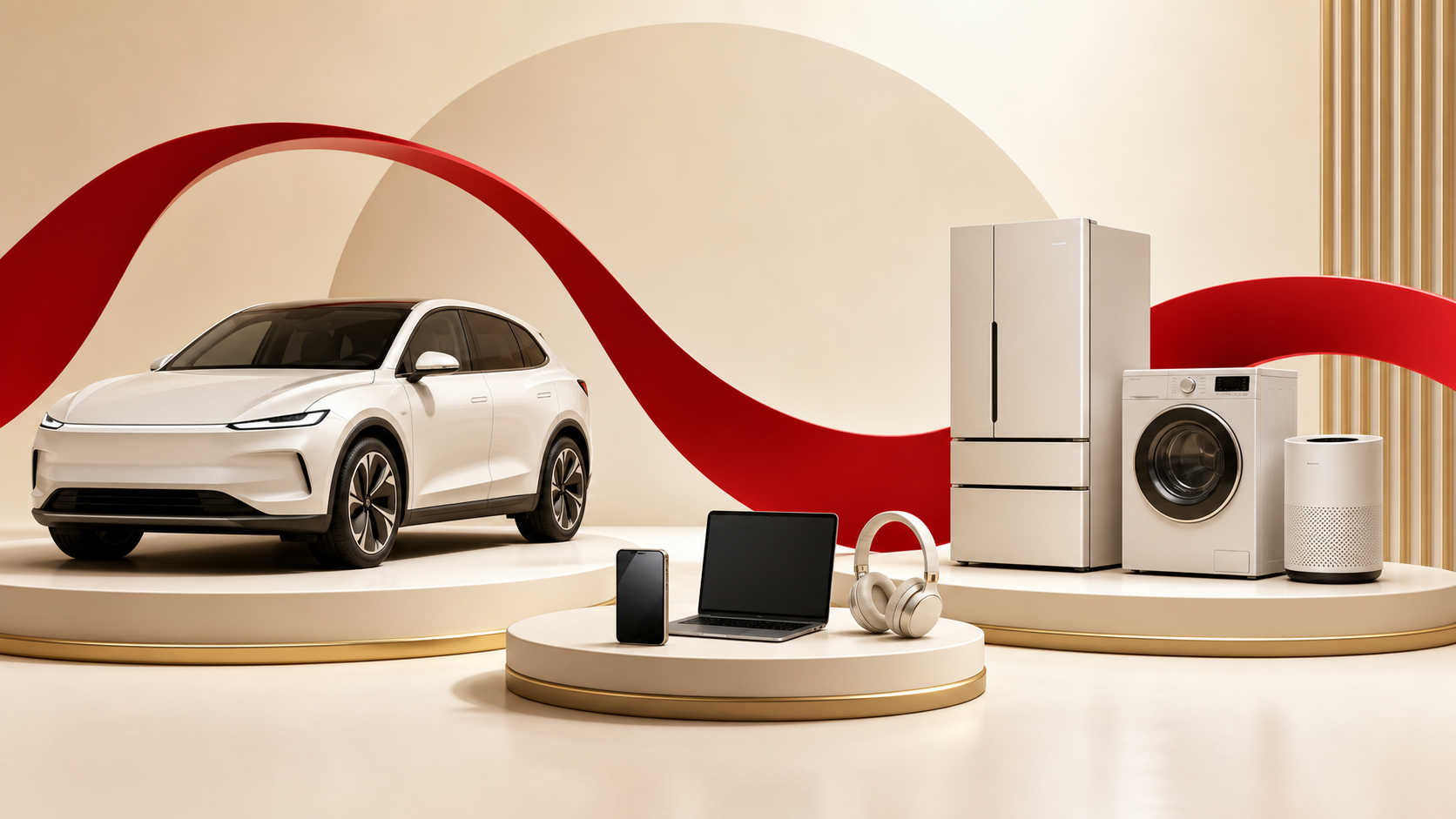
AI-assisted conceptual illustration of CHINA2050 product themes; not an exhibition photograph.
CHINA2050 brings a focus on Chinese automotive and electronics innovation to Dubai and the wider Middle East. For buyers, distributors and system integrators, its published exhibit scope offers a starting point for sourcing discussions across three areas: new energy vehicles, consumer electronics and home appliances. The most productive preparation is to connect those categories with a specific customer need, a workable specification and a plan for service after delivery.
This guide helps you prepare that brief. It interprets the published product scope; it is not a list of confirmed exhibitors or a guarantee that individual products will be available.
Three product areas to explore
New energy vehicles and automotive technology
Start with the intended use: private mobility, a business fleet or an integrated automotive solution. For electric vehicles, ask how the quoted range was measured and how payload, air conditioning and operating temperature affect expected performance. Clarify charging requirements, maintenance access and the supporting technical information available for evaluation.
The published scope also includes automotive electronics. If these are your focus, define the vehicle platforms and interfaces involved before comparing products. Request a demonstration of the exact configuration under discussion, and establish who handles installation, software updates, diagnostics and replacement parts. A compelling demonstration becomes useful only when you understand how the product will be supported in daily use.
Consumer and connected electronics
The published categories include phones and accessories, computer peripherals and gaming products, audio devices, wearables, smart home and security products, and portable energy storage. Group your shortlist by customer application, such as a retail accessory range, a connected home installation or a portable power solution. This makes comparisons more meaningful than grouping products by appearance alone.
Ask suppliers to identify the model, software version and accessories behind each quotation. For connected devices, check language options, network compatibility, account requirements and how long software support is offered. For portable energy storage, compare usable capacity and supported loads under stated conditions, alongside charging options and handling guidance. Request the documents needed for your own technical review.
Home appliances
The published scope covers large appliances, kitchen equipment, personal care products and cleaning appliances. A distributor may prioritize a coherent retail range, while a project buyer may need consistent dimensions, installation arrangements and a predictable replacement process. State your intended sales channel or installation setting at the outset.
Compare the specification for the exact model being quoted, including electrical requirements, dimensions, controls, maintenance needs and any consumables. Ask how performance claims were measured and whether the relevant reports are available. Packaging, translated instructions and spare parts deserve attention alongside the product itself: each affects the work required to supply and support the product for your customers.
Five questions before supplier discussions
- What market and application are we buying for? Describe the intended user, sales channel, operating conditions and a realistic volume range. Separate essential requirements from preferences so a supplier can identify suitable options and explain any compromises.
- Which specifications and documents must we review? Prepare a comparison sheet covering interfaces, electrical characteristics, dimensions, languages and other relevant requirements. Ask for model-specific datasheets and available test documents. Have the appropriate specialists assess suitability for your intended market before committing.
- How will sampling and ordering work? Ask about minimum order quantities, sample costs, customization options and production lead times. Clarify what starts the lead-time clock, what a quotation includes and whether samples represent the configuration proposed for the production order.
- Who supports the product after delivery? Establish warranty coverage, claim handling, spare-part availability, repair arrangements and any local support. For software-dependent products, include update responsibilities and support duration. Ask for the proposed terms in writing so your service team can review them.
- What would a workable distribution relationship require? Discuss territory, channels, branding, marketing responsibilities and any proposed exclusivity conditions. Agree on a named contact and the next deliverable, such as a quotation or sample plan, with a clear date for follow-up.
Prepare a shortlist and a next step
Bring a one-page sourcing brief and a simple comparison sheet. Record the exact model, open questions, documents promised and next action after each discussion. This helps your purchasing, technical and service teams assess the same proposal.
Review the published exhibit areas to refine your priorities, then register your interest as a visitor. Businesses interested in exhibiting can submit a booth enquiry.
Exhibition dates, venue and current arrangements remain subject to official announcements. Confirm the latest information before booking travel.